The Baptism of the Lord: when belief becomes public
By Johannes
A lay Catholic voice reflecting within the life of the parish.
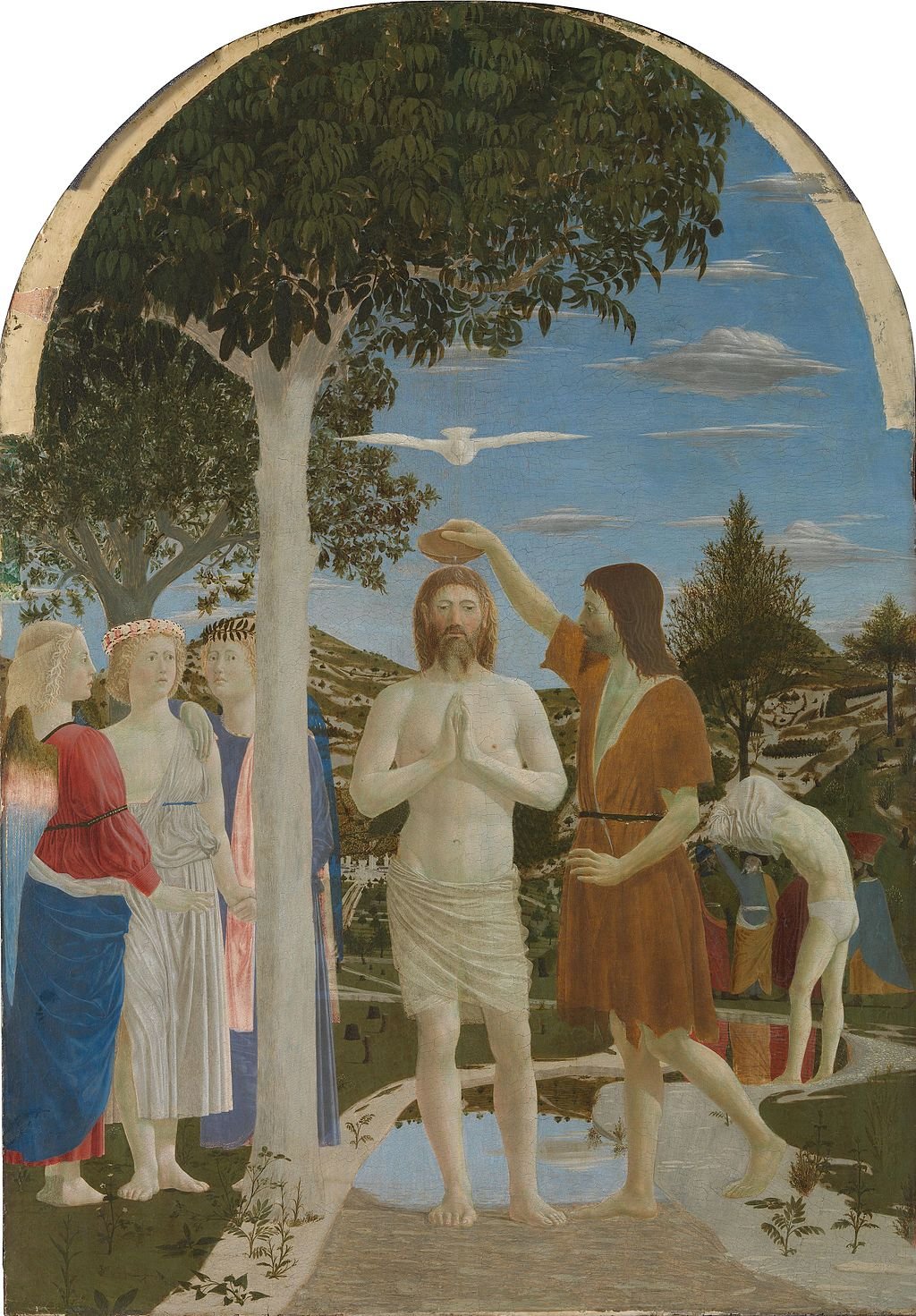
The Feast of the Baptism of the Lord marks a decisive moment in the Christian story. It brings the Christmas season to a close, not with sentiment, but with exposure. The child who lay hidden in Bethlehem steps into the open at the River Jordan, and faith moves from contemplation to consequence.
There is nothing theatrical about the scene. No crowd gathers to applaud, no angels sing. Jesus simply joins the line of ordinary people responding to John’s call. That ordinariness is the point. Christianity does not begin with dominance or distance, but with identification.
Why the Jordan matters
John’s baptism was a baptism of repentance — a public acknowledgement that life needed to change. For Jesus to submit to it is therefore unsettling. He does not need repentance, yet he chooses to stand among those who do.
This choice reveals something fundamental about the Christian understanding of God:
God does not save from a distance
God does not wait for humanity to become worthy
God enters fully into human reality
By stepping into the water, Jesus aligns himself with the vulnerable, the searching, and the imperfect. He sanctifies the waters not for his own sake, but for ours.
A moment of revelation, not explanation
The Gospels describe the heavens opening, the Spirit descending like a dove, and a voice from heaven declaring: “You are my Son, the Beloved; my favour rests on you.”
This is one of the rare moments where Christian belief about God is not argued or explained, but revealed. Father, Son, and Spirit are present together — not as abstract doctrine, but as relationship in action.
What is striking is the timing. The affirmation comes before Jesus performs a single miracle, delivers a sermon, or gathers followers. His identity is not earned through achievement. It is given.
In a culture that measures worth by productivity and success, this order matters. Christianity insists that who we are precedes what we do.
From hidden life to public responsibility
Until this point, Jesus has lived in obscurity. The Baptism marks a turning. The years of quiet preparation give way to visibility, risk, and eventual conflict.
This pattern is deliberate. Faith, in Christian understanding, is not meant to remain private or insulated. The Baptism of the Lord is the moment when belief moves into the public realm.
Immediately after the Jordan, Jesus is led into the wilderness. From there, into ministry. The river is not a resting place. It is a threshold.
What this feast says about baptism today
For Christians, this feast is never only about Jesus. It is also about our own baptism, often remembered vaguely, if at all, as a family event or childhood photograph.
Yet baptism is not a historical detail. It is a claim.
Through baptism, Christians believe they are:
united with Christ
named as children of God
given a shared responsibility for the life of the Church
The words spoken over Jesus at the Jordan — “You are my beloved” — are understood to echo, quietly but decisively, over every baptised person.
This identity is not revoked by failure or doubt. It is not dependent on enthusiasm or confidence. It is a foundation, not a reward.
Piero della Francesca, The Baptism of Christ, after 1451. Egg tempera on poplar wood. National Gallery, London. Public domain. Image via Wikimedia Commons.
Baptism as commissioning, not comfort
The Baptism of the Lord resists any attempt to reduce faith to reassurance alone. It is not simply about belonging; it is about being sent.
To be baptised is to accept that faith has public consequences. It shapes how people live, speak, and respond to others. It demands attention to justice, compassion, and responsibility.
In practical terms, this means:
faith cannot remain confined to worship alone
belief must engage with the realities of ordinary life
the Church exists for the world, not just for itself
The words that conclude Mass — “Go in peace” — are not a polite ending. They are a commissioning.
Water and new creation
Water carries deep symbolic weight in Scripture. It is associated with chaos and danger, but also with renewal and life. From the opening lines of Genesis to the crossing of the Red Sea, water marks moments of transition.
At the Jordan, the Spirit hovering over the water echoes the first creation. Something new is beginning. Christian tradition has long seen this as the start of new creation — not a rejection of the world, but its renewal.
Every baptism participates in that movement. It is a moment of grace, but also of responsibility: a call to live differently in a world still marked by fracture and fear.
A challenge to the Church
The Baptism of the Lord lands sharply in a time when many churches are anxious about decline, relevance, and future direction. The temptation is to retreat into familiarity or to focus solely on internal survival.
This feast resists that instinct.
Jesus does not begin his ministry from a position of security. He begins by stepping into the current of human need. The Church, if it is to remain faithful to him, cannot do otherwise.
Faith that remains inward-looking eventually loses credibility. Faith that risks visibility — grounded in humility rather than control — remains alive.
From celebration to consequence
As the Christmas season ends, the Baptism of the Lord offers a deliberate transition. The light of the Nativity does not fade; it moves outward.
The question this feast leaves behind is not abstract or theological. It is practical:
What does baptism require of us now?
Where does faith ask to be lived more openly?
How does belief shape responsibility for others?
The river Jordan does not resolve these questions. It opens them.