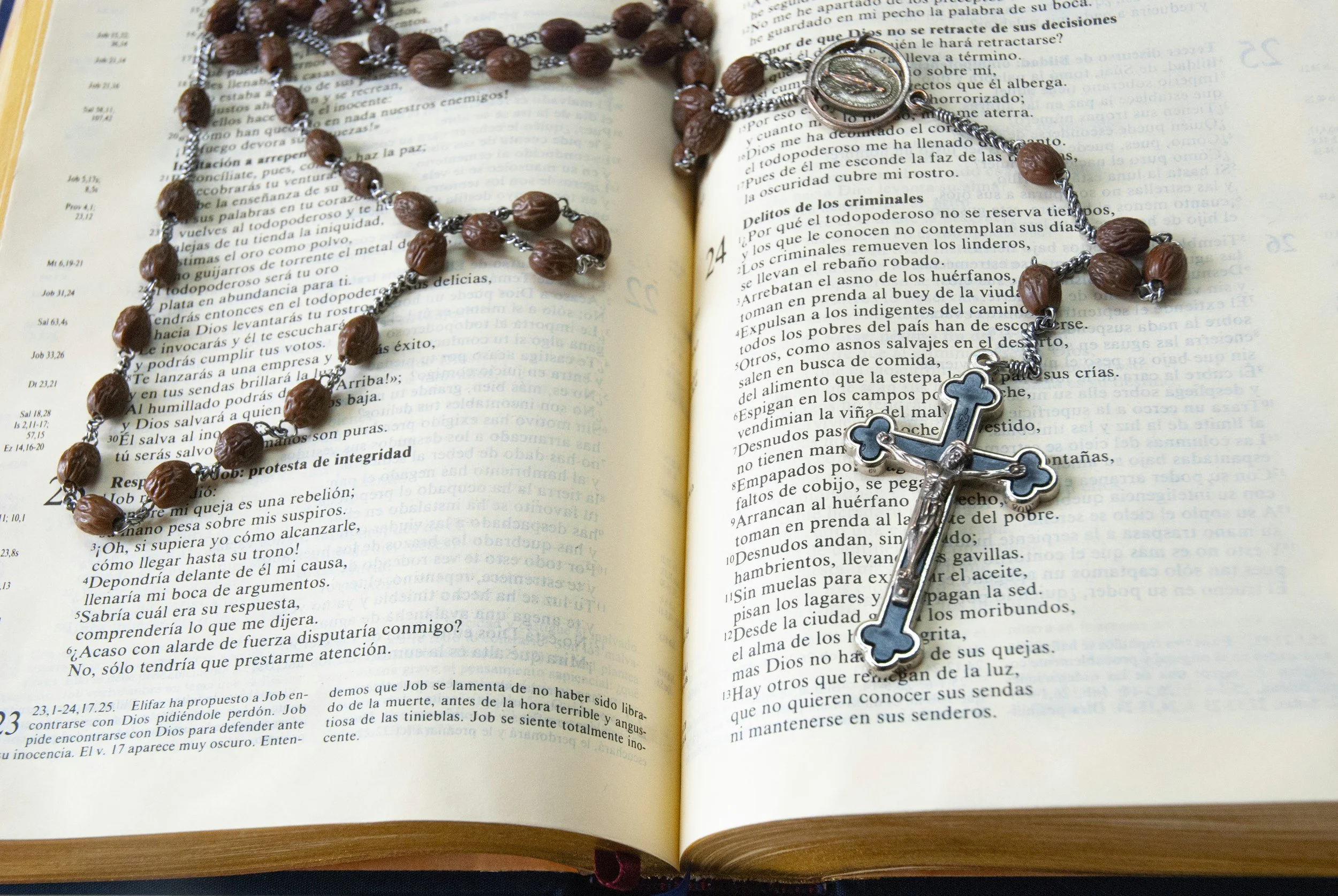
Catholic Liturgical Feasts
– A Guide for Worship, Understanding and Prayer
The Catholic liturgical calendar is far more than a list of dates. It is the living rhythm of the Church’s year, guiding us through the mystery of Christ’s life, death and resurrection, and drawing us into the communion of saints who have gone before us. By following the cycle of seasons, solemnities, feasts and memorials, the Church invites us to walk prayerfully through salvation history, year after year, allowing the Word of God to shape our faith and daily lives.
At St Charles, the liturgical calendar underpins every celebration of the Mass and every act of communal worship. The readings proclaimed, the prayers used, the colours worn by the priest, and even the music chosen are shaped by where we are in the Church’s year. Understanding the feasts and seasons helps parishioners engage more deeply with what is being celebrated, moving beyond familiarity into reflection and prayer.
The Structure of the Liturgical Year
The liturgical year is centred on Christ. It begins with Advent, a season of waiting and preparation for the coming of the Lord. Advent is followed by Christmas, when the Church celebrates the Incarnation — God becoming man in Jesus Christ. From Christmas, we move into Ordinary Time, a period that focuses on Christ’s public ministry and teaching.
The year then leads into Lent, a penitential season of prayer, fasting and almsgiving, preparing us for Easter, the central feast of the Christian faith. Easter celebrates the Resurrection of Christ and unfolds over fifty days, culminating in Pentecost, when the Church remembers the gift of the Holy Spirit.
After Pentecost, the Church returns to Ordinary Time, reflecting on Christ’s teachings and miracles, until the year concludes with the feast of Christ the King, affirming Christ’s sovereignty over all creation.
Within this structure are numerous solemnities, feasts and memorials — celebrations of the Lord, the Blessed Virgin Mary, and the saints — each enriching the life of the Church.
Why Liturgical Feasts Matter in Parish Life
Liturgical feasts help the parish community focus its prayer and worship. Major solemnities such as Christmas Day, Easter Sunday, Pentecost, The Assumption, and All Saints draw the whole parish together, often marked by special liturgies, music and decoration.
Other feasts and memorials, while quieter, still play an important role. Celebrations of saints remind us that holiness is lived out in many different ways — through teaching, service, prayer, sacrifice and love. Saints are not distant historical figures; they are companions and intercessors, offering examples of faithful Christian living in every age.
For parishioners, knowing the feast being celebrated can add depth to attendance at Mass. A reading heard with context becomes more meaningful; a collect prayed with understanding becomes more personal.
A Resource for Private Prayer and Reflection
The liturgical calendar is also a powerful aid to private prayer. Many people find it helpful to let the Church guide their daily prayer rather than relying solely on personal inspiration. By reflecting on the saint or feast of the day, prayer becomes rooted in the wider life of the Church.
For example, a feast of a martyr may invite reflection on courage and fidelity; a Marian feast may encourage trust and humility; a feast of a great teacher of the Church may prompt study and reflection. Even in Ordinary Time, the steady rhythm of Scripture readings provides nourishment for daily faith.
Using the liturgical calendar in this way helps prayer feel less isolated and more connected to the universal Church — Catholics across the world reflecting on the same mysteries on the same day
Linking Parish Worship and Personal Faith
One of the strengths of the Catholic tradition is the way it unites public worship and private devotion. What is celebrated at the altar is meant to shape how we live and pray during the week. The liturgical feasOne ts form a bridge between Sunday worship and daily Christian life.
This page has been created to help parishioners at St Charles explore that connection more fully. Whether you are preparing to attend Mass, reading ahead of a feast day, or simply wishing to deepen your understanding of the Church’s year, the liturgical calendar offers a reliable and enriching framework
Vatican Resources: Month-by-Month Detail
To support this, we provide links from this page to official Vatican content, which sets out the Church’s liturgical feasts month by month. These resources give authoritative details of the feasts, solemnities and memorials celebrated throughout the year, alongside Scripture readings, reflections and explanations.
The Vatican resources are especially helpful for:
Understanding the significance of particular feasts
Preparing for upcoming celebrations
Supporting prayer at home
Gaining background to what is being celebrated at Mass
They ensure that what we read and reflect upon is firmly rooted in the Church’s teaching and liturgical practice.
An Invitation
We encourage parishioners to make use of this page and the linked Vatican resources — whether as a guide alongside parish services at St Charles, or as a companion for quiet prayer at home. By entering more deeply into the Church’s liturgical life, we allow the seasons and feasts to shape our faith, drawing us ever closer to Christ and to the communion of saints.
The liturgical calendar is not something to be observed from a distance. It is an invitation — to worship, to reflect, and to pray with the Church, day by day, throughout the year.
Liturgical feast reflections are presented independently of the Sunday lectionary cycle (Years A, B, C).
VATICAN Liturgical Feasts
Liturgical Feasts Lay Articles Published on this website
Lay Articles 2026
The Church teaches that the laity “are called to take an active part in the whole life of the Church” (Lumen Gentium). These articles offer lay reflection on the Church’s liturgical feasts, intended to support prayerful engagement and understanding. They do not purport to represent official parish teaching. Occasional Vatican articles are used instead and these are clearly marked. Each Johannes article contains a hyperink to a Vatical text on the same feast.